Spotlight
A Tale of Two Margins
Until a few years ago, these businesses and institutions we served – manufacturers, food processors, cold storage operators, banks, schools and hospitals – were the big kids on the energy block. The grid was planned around their needs, and the American economy still depends on them. Today, prices are rising, access to more electricity (i.e. load) is getting harder, and companies that are already dealing with the complex nature of building a supply chain, maintaining operational efficiency, serving a customer base, and delivering a commodity are now having to navigate a process that is dynamic, fraught, and not designed to accommodate their needs or their timetable.
By David Crane
14 minute read
Communities Have More Leverage Over the AI Buildout Than They Realize
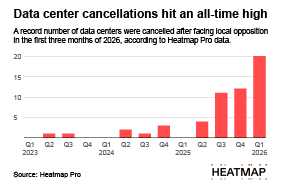
Communities are skeptical of data centers. They don’t know if they like the underlying technology, they certainly are not feeling the increase in power costs they attribute to this massive build, and they don’t feel like they need to provide tax assistance to the richest companies in the world. The companies needing to build are organizing fast through procurement standards, model legislation, financing structures, and political infrastructure to make sure their interests are represented at every level where decisions get made. Advocates need to help communities benefit from this moment, not be a reflexive “no” and convince communities they have nothing to gain. It isn’t true and it won’t help the people climate, environmental, and community organizing groups claim to represent. Communities that organize with equal seriousness, around what they want from this buildout rather than around whether they want it at all, will end the decade with infrastructure their grandchildren still benefit from. That infrastructure can be clean, affordable, and reliable. Communities that spend the leverage on saying no will get what they always have: whatever is left over after capital sets the terms. Developers that try to undercut productive efforts to build that kind of resilience in communities will end up losing. Both sides need to realize that the relationship can be productive and valuable.
By Jonah Goldman
12 minute read
EXPERT VIEWS

A Tale of Two Margins
Until a few years ago, these businesses and institutions we served – manufacturers, food processors, cold storage operators, banks, schools and hospitals – were the big kids on the energy block. The grid was planned around their needs, and the American economy still depends on them. Today, prices are rising, access to more electricity (i.e. load) is getting harder, and companies that are already dealing with the complex nature of building a supply chain, maintaining operational efficiency, serving a customer base, and delivering a commodity are now having to navigate a process that is dynamic, fraught, and not designed to accommodate their needs or their timetable.
By David Crane

Communities Have More Leverage Over the AI Buildout Than They Realize
Communities are skeptical of data centers. They don’t know if they like the underlying technology, they certainly are not feeling the increase in power costs they attribute to this massive build, and they don’t feel like they need to provide tax assistance to the richest companies in the world. The companies needing to build are organizing fast through procurement standards, model legislation, financing structures, and political infrastructure to make sure their interests are represented at every level where decisions get made. Advocates need to help communities benefit from this moment, not be a reflexive “no” and convince communities they have nothing to gain. It isn’t true and it won’t help the people climate, environmental, and community organizing groups claim to represent. Communities that organize with equal seriousness, around what they want from this buildout rather than around whether they want it at all, will end the decade with infrastructure their grandchildren still benefit from. That infrastructure can be clean, affordable, and reliable. Communities that spend the leverage on saying no will get what they always have: whatever is left over after capital sets the terms. Developers that try to undercut productive efforts to build that kind of resilience in communities will end up losing. Both sides need to realize that the relationship can be productive and valuable.
By Jonah Goldman
High Stakes at CERAWeek
It is not often – read “never” – that a CEO’s decision NOT to attend a conference is a global headline but so it was this weekend when Amin Nasser, the veteran CEO of Saudi Aramco, withdrew from CERAWeek in order to attend to matters closer to home. Mr. Nasser’s withdrawal underlines that the focus for all of us still heading to Houston will be on the Straits of Hormuz and its short, medium and long term consequences on gasoline prices. And all the while, the focus on high gasoline prices at CERA this week is likely to obscure the other energy price shock lurking in the shadows which is the inexorable rise of electricity prices across the United States. Unlike gasoline prices, once retail electricity prices rise, they almost never go down.
By David Crane

Industrial Decarbonization: How Thermal Storage Can Electrify Heat at Scale
Investment in thermal energy storage has accelerated in recent years as technical progress and customer demand have improved project bankability. Since 2020, sector funding has grown and shifted toward later-stage investors, reflecting greater confidence in TES’s readiness for commercial deployment.
By Meng Lei
Consolidation: The Pathway to Enduring Impact
It is easy to be disoriented by the swing from exuberance to pessimism that has defined the clean energy sector in recent years. Yet these moments are precisely when opportunity is greatest. Beneath the headlines are clear indicators of tremendous potential in the U.S. energy transition. The challenge is to separate fundamentals from sentiment, to acknowledge and fix the mistakes that we have made, and to chart a path to scale rooted in discipline, operational excellence, and commercial reality.
By David Crane



Meeting load growth with clean, flexible power
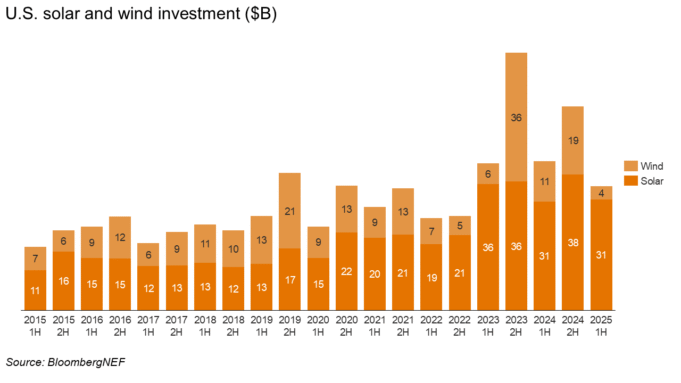
In the wake of the One Big Beautiful Bill, load growth remains a clear and steady tailwind for renewable energy. Renewables remain the cheapest source of power and the quickest to install, ensuring a bright outlook for the industry despite the shortened available window for some tax incentives. Over the last twenty years, annual investment in renewable energy in the U.S. increased from $5 billion to $100 billion (BloombergNEF, 1H 2025 Renewable Energy Investment Tracker). Compelling economics and flexible demand has the potential to unlock even greater investment in the sector: powering new load with electricity that would otherwise be wasted boosts project economics, ensures quick access to power, and delivers system-wide benefits.
By Scott Gosselink, Logan Goldie-Scot and Ryan Miller


Transition Acceleration Framework: A new approach for private markets
Left unchecked, climate change has the potential to destroy trillions of dollars in invested value through increased frequency and severity of a range of extreme weather events, chronic impacts like sea level rise and water scarcity, and degradation to critical infrastructure from heat stress. Successfully mitigating these impacts requires a global reallocation of capital that is both productive for investors and effective in reducing greenhouse gas emissions.
By Jonah Goldman, Kirsty Jenkinson and Trevor Houser

Looking beyond the headlines of corporate decarbonization
Many of today’s headlines about the state of corporate decarbonization paint a bleak picture, in which the world’s most influential companies are pulling back from their net zero ambitions (Harvard Business Review, Financial Times, Reuters). Alongside a broader backlash against ESG, companies who remain committed to decarbonization are also finding the process more difficult than anticipated, due in
By Gopal Vemuri
Investing in U.S. infrastructure for a decade of demand
Despite the near-term uncertainty, the fundamentals of the U.S. infrastructure and energy markets remain attractive for long-term investors. Structural tailwinds such as the need to replace ageing infrastructure, generational load growth, and compelling economics define the landscape. In this environment, renewable energy, distributed generation, and energy storage are essential solutions. For investors focused on long-term
By Logan Goldie-Scot

What investment committees often miss: Investing with an operator’s mindset
For investors who are committed to the energy transition, this can be particularly challenging. From installing renewables to introducing electric vehicle fleets, financing the infrastructure transition requires an operator’s mindset that prioritizes lifecycle thinking and stakeholder integration. It’s about asking the hard questions and solving the hard problems: How will this serve our customers for
By Generate Capital
How our latest investment helps mobilize the green steel market
Last month, Generate announced a $200 million loan to reinforced steel producer Pacific Steel Group (PSG) that will help fund the construction of a new electric arc furnace micro mill in Kern County, CA (Bloomberg, Infralogic). Next week, construction for the project commences. As we prepare for the groundbreaking, we are exploring how the investment
By Generate Capital
A new way for tax credits to power communities
Though popular, the tax credits were historically cumbersome and complicated, which kept capital on the sidelines. Project developers were required to use complex tax equity structures to monetize these tax benefits efficiently. Tax legislation and guidance led to the emergence of novel financial structures such as the partnership flip, the sale lease-back, and the inverted
By Ryan Miller
Where are we in the energy transition?
As we head into a new year, our experts at Generate reflected on the state of the projects and businesses we invest in and the impact of real and perceived headwinds on our sector’s ability to thrive.
By Logan Goldie-Scot

Investors and banks are voting for the infrastructure transition with their dollars
Infrastructure investors with strong track records, specialized expertise, attractive returns, large pipelines, and operational and investment experience will continue to garner the backing of large investors and banks. Steel will still go in the ground to build the sustainable infrastructure assets that have created real economic value in communities across the country. The Policy Outlook
By Edward Bossange and Jonah Goldman
The middle-market 0pportunity
Looking ahead, to meet global climate targets, annual spending across energy, transport, and the built environment needs to increase fivefold through to 2030 (Figure 1). The required scale-up is even greater in areas like industrial processes where investment has yet to really get off the ground. The trillions of dollars of investment both decarbonize and transform
By Logan Goldie-Scot

Why the infrastructure transition needs private credit
Private credit has stepped in to help fill some of the biggest gaps in our capital markets in recent years.
By Katherine Treuer
Comfort in the chaos
The policy drivers for the energy transition are new enough that this kind of disruption sparks questions about the durability of the capital, projects, technology development, and deployment of the infrastructure we need to decarbonize in the event of a political shift. But while there are significant differences in the priorities for the energy transition across
By Jonah Goldman and Logan Goldie-Scot

Did the IRA make tax equity worse?
The Inflation Reduction Act has funneled hundreds of billions of dollars into clean energy projects, but in many ways has made securing attractive tax equity more challenging not less. Although tax equity terms have deteriorated for now, creative investors who understand how to take advantage of the new capacity in the market can derive value from the incentives and help build the critical projects needed to decarbonize.
By Jessie Robbins
The wisdom of Sallah
As the world readies for yet another COP of disappointment, every news outlet covering climate is rushing to tell the story about failing “net-zero” commitments. Every one I read reminds me of that Indiana Jones moment. The conversation is always about how firms and countries are not on pace to meet their “net-zero” pledges because of
By Jonah Goldman


NEWSLETTER
 04 Oct 2026
September 2026 Newsletter
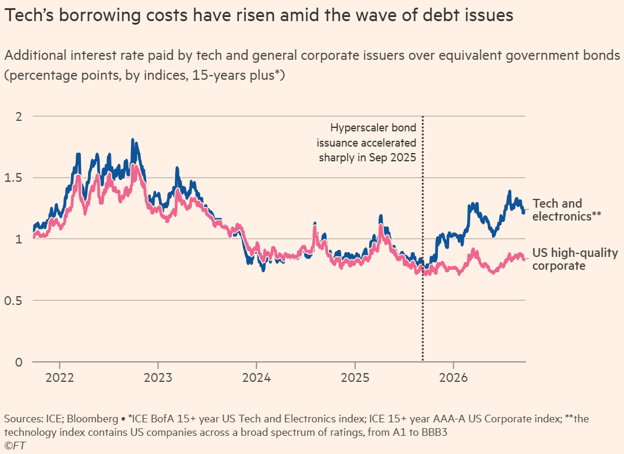
Data center financing remains widely available, but it is getting more selective, more conditional, and more expensive. Investors and lenders are also increasingly aware that despite the diversity of projects across the country, the revenues and credit flow back to a handful of companies. The dance between developers, customers, investors and lenders increasingly resembles an Eightsome Reel: energetic, seemingly chaotic but actually highly structured and unforgiving of a missed step. The financial markets are reacting to several dynamics. Many of the power projects being built to serve that demand are first of a kind, whether in structure, scale or technology; AI demand is explosive but close to impossible to forecast; government yields are climbing, with the 10-year Treasury briefly rising to 5.34%, its highest since 2002; and hyperscaler capex, forecast to exceed $1 trillion next year, is testing the depth of debt and equity markets. Unlike the reel, whose steps have changed little in a century, the form and fundamentals of data center financing are much more fluid. As Benedict Evans put it: the most dangerous words in investing are “this time is different”; the seven most dangerous words are “people always say ‘this time is different.’ It’s always different.”
 30 Aug 2026
August 2026 Newsletter
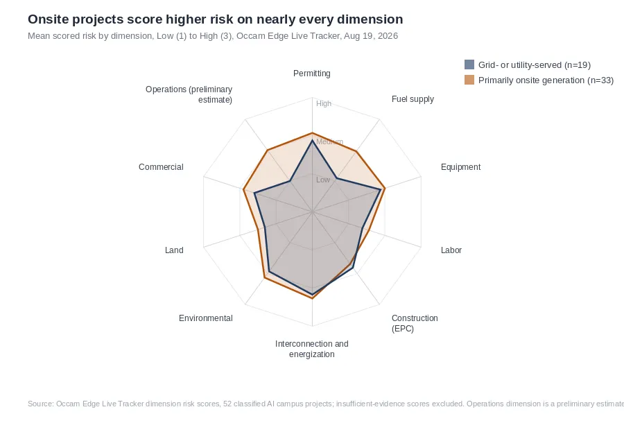
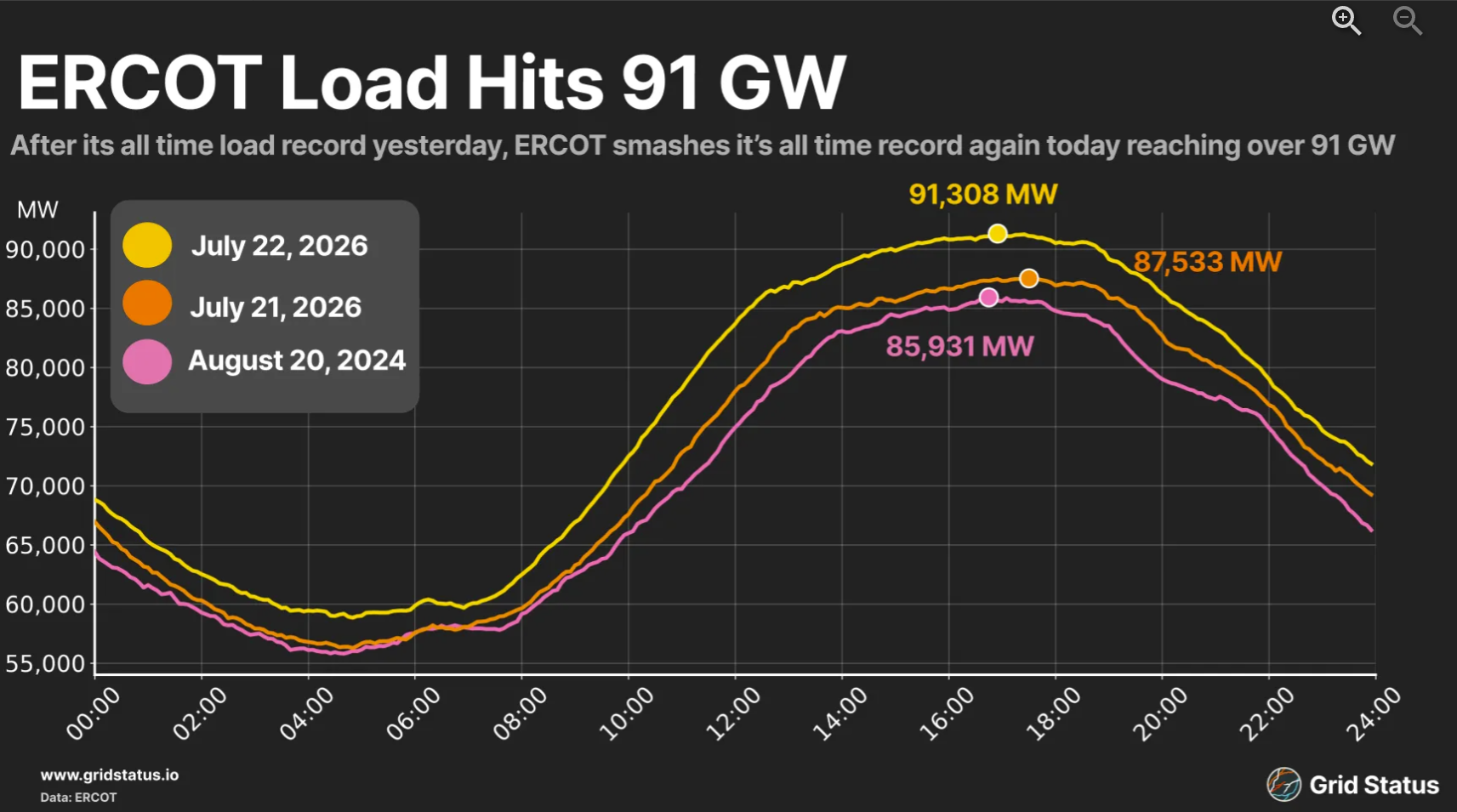
Recent reporting on equipment failures and power interruptions at several early off-grid data center projects highlights genuine technical and financial risks. Furthermore, no one has enough operating history to understand how the equipment will hold up. This suggests that things will get harder before they get easier. This is not, though, a blanket argument against on-site power. It is an argument for engineering these systems differently, for engaging with a community differently.
 02 Aug 2026
July 2026 Newsletter
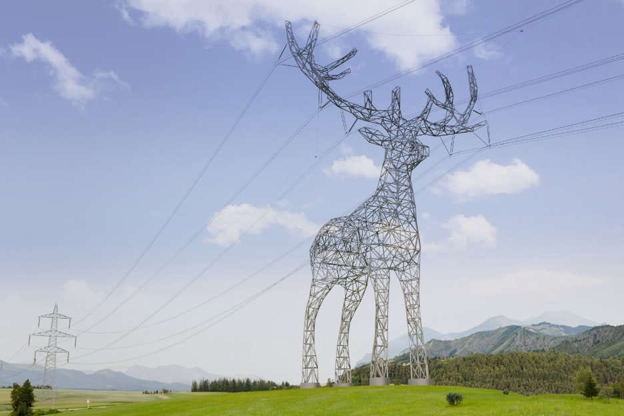
The data center industry continues to surprise both in terms of how quickly the status quo can change, and how resolutely many stakeholders assume the current status quo is now fixed. Eighteen months ago, fully islanded projects were more speculative than real, hyperscalers’ decarbonization bona fides were still mostly intact, and permitting was largely a formality if you followed process. Each looked settled right up until it wasn’t, and expecting stability now is a curious leap.
 07 Jun 2026
June 2026 Newsletter – AGM Edition
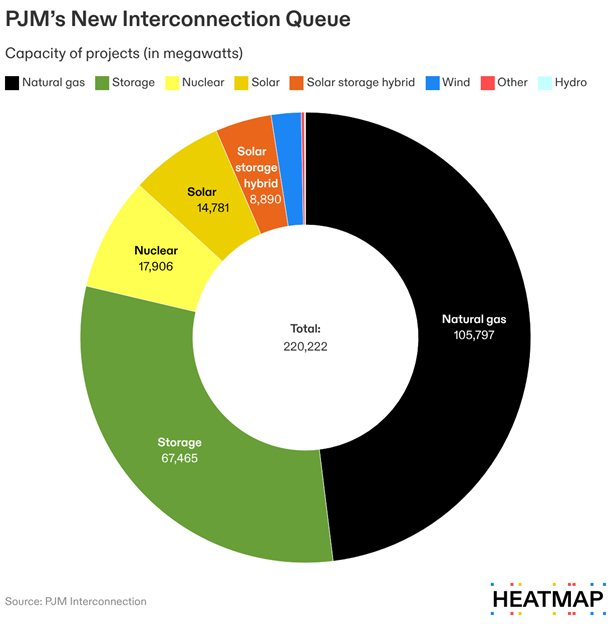
We hope to see many of you at our AGM this coming week, but in the meantime, here is the latest on what’s happening at the nexus of AI demand and energy. Both Generate and this newsletter have come a long way since our first post in September 2024. Generate is now focused on what our CEO David Crane recently described as “the single defining factor in the future of our industry – AI demand is accelerating faster than the infrastructure needed to support it.”
 04 May 2026
April 2026 Newsletter
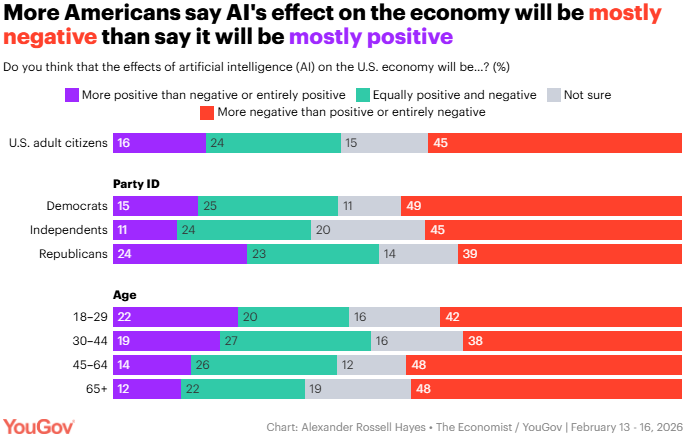
After four years, PJM opened back up its generation interconnection queue. Gas is now the dominant technology in the queue compared to solar back in 2022.
 29 Mar 2026
March 2026 Newsletter
Just over four years after the “ChatGPT moment”, February 2026 marked a new inflection point for how many of my peers and I use AI. The constraints switched from model limitations (both perceived and real) and perhaps a lack of creativity and prioritization, to token and inference constraints: “Rate Limit Exceeded”, “A bit longer, thanks for your patience.” Powering a data center now requires simultaneous execution across three domains that each demand deep, specialized expertise: the grid and interconnection, on-site generation, and policy and regulation. And while AI has come in strides, the limits to scaling compute quickly are intransigent. They are physical, geographic, and increasingly personal.
02 Mar 2026
February 2026 Newsletter
Just over four years after the “ChatGPT moment”, February 2026 marked a new inflection point for how many of my peers and I use AI. The constraints switched from model limitations (both perceived and real) and perhaps a lack of creativity and prioritization, to token and inference constraints: “Rate Limit Exceeded”, “A bit longer, thanks for your patience.” Powering a data center now requires simultaneous execution across three domains that each demand deep, specialized expertise: the grid and interconnection, on-site generation, and policy and regulation. And while AI has come in strides, the limits to scaling compute quickly are intransigent. They are physical, geographic, and increasingly personal.
 01 Feb 2026
January 2026 Newsletter
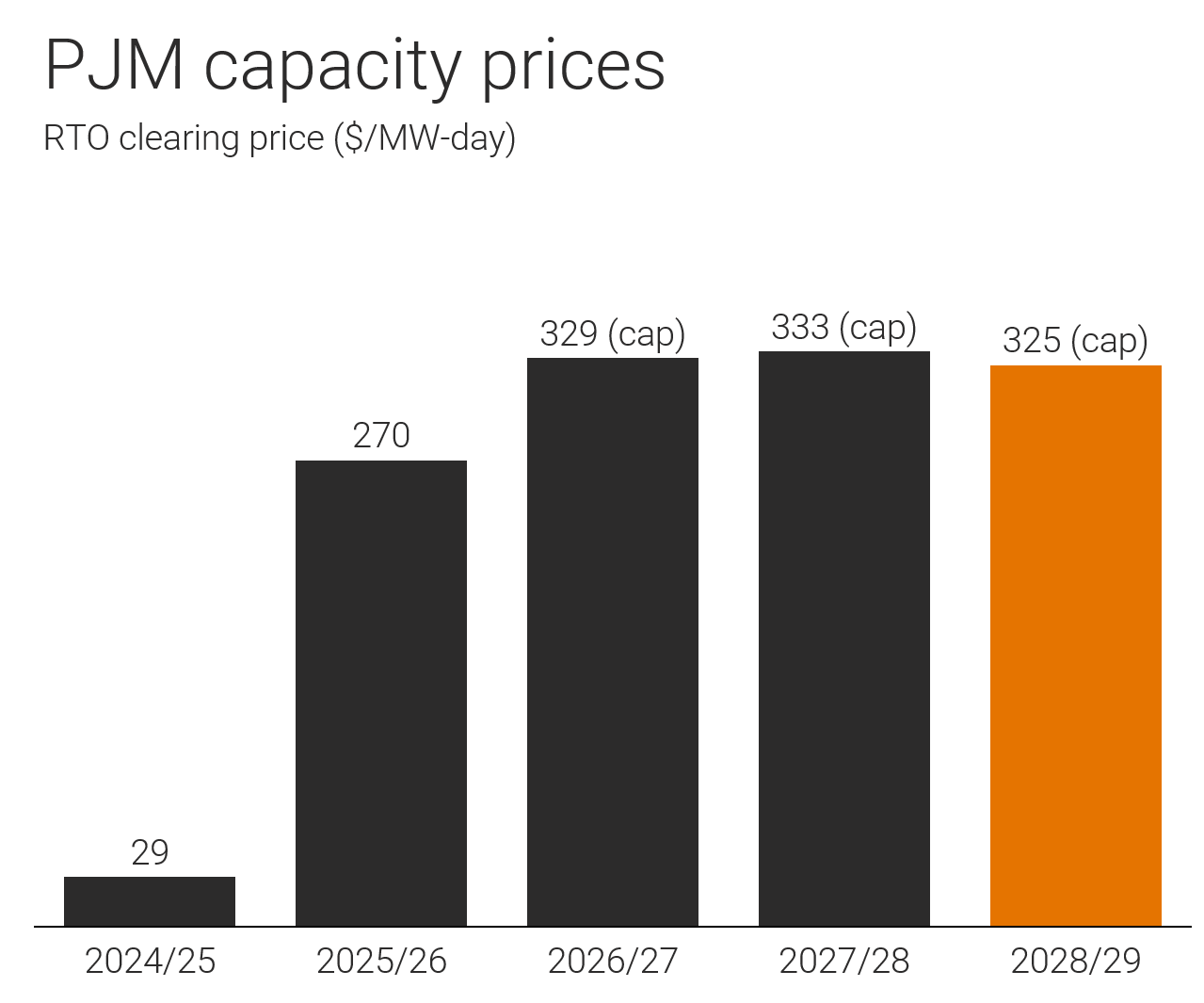
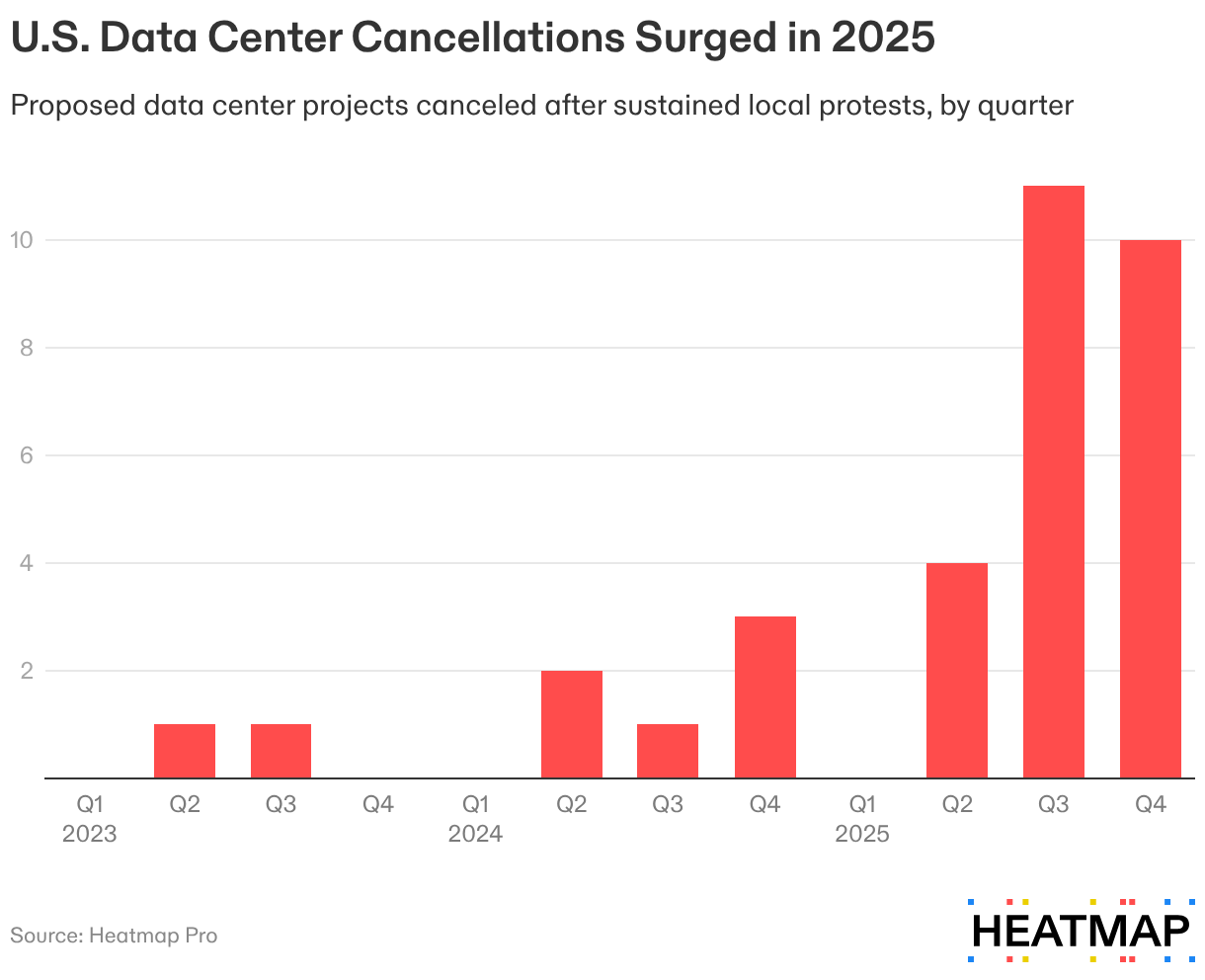
The U.S. power grid is currently a study in constructive interference, a phenomenon where separate waves meet, their peaks align, and they merge into a single, amplified force. Capacity and generation shortages, the elevation of affordability to the center of politics, community opposition, and concerns about emissions and reliability are powerful dynamics individually. Together they may force long-lasting changes to the U.S. power systems, as proposed wholesale changes across PJM this month illustrate.
December 2025 Newsletter
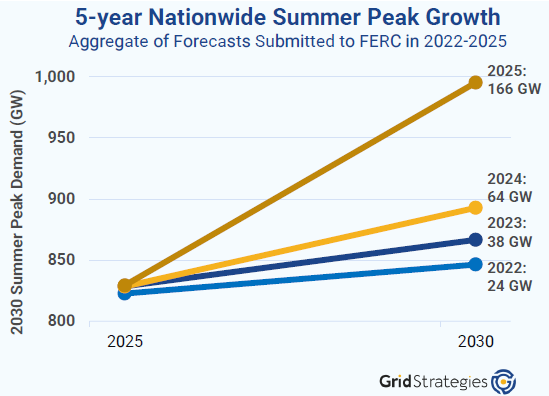
How 2025 sets the stage for 2026. A review of AI, interconnection reforms, clean power and large load growth.
 30 Nov 2025
November 2025 Newsletter
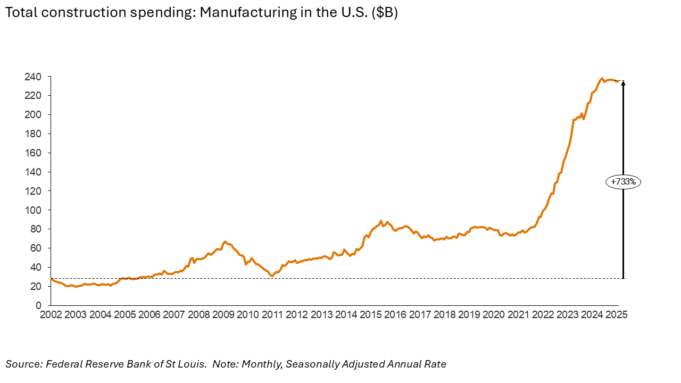
Policy responses to load growth, gas prices, and tariffs.
 02 Nov 2025
October 2025 Newsletter
Trade policy and House tax bill implications, and more US energy and infrastructure news and analysis
 01 Oct 2025
September 2025 Newsletter
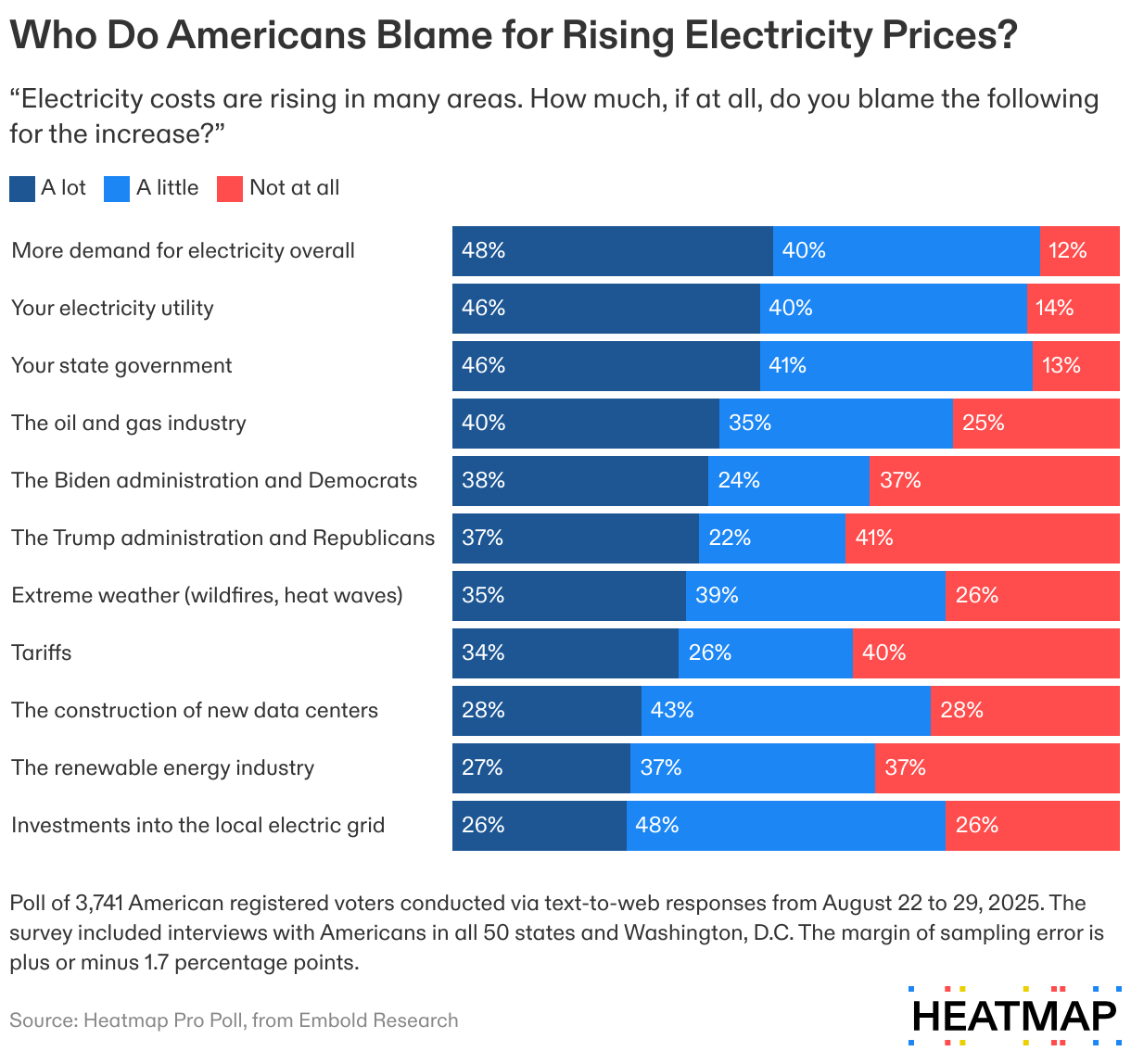
Reflections on RE+ and Climate Week, the role of private credit, who to blame for high electricity prices and a cool Texas summer.
 28 Aug 2025
August 2025 Newsletter
Solar investment figures, PPA wariness, and more US energy and infrastructure news and analysis
 01 Aug 2025
July 2025 Newsletter
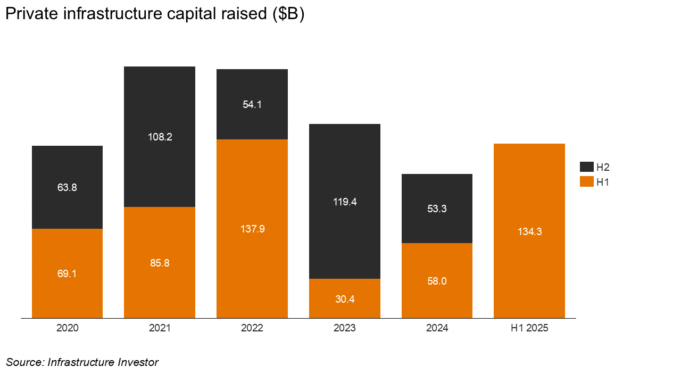
H1 fundraising figures, rising power prices, and more US energy and infrastructure news and analysis
 02 Jul 2025
June 2025 Newsletter
Senate reconciliation bill implications, and more US energy and infrastructure news and analysis
01 Jun 2025
May 2025 Newsletter
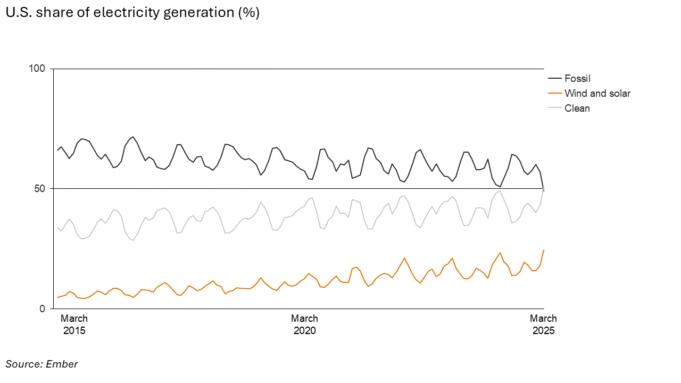
Trade policy and House tax bill implications, and more US energy and infrastructure news and analysis
 30 Apr 2025
April 2025 Newsletter
Rebounding fundraising numbers, progress toward Congress’ budget resolution, and more US energy and infrastructure news and analysis
 30 Mar 2025
March 2025 Newsletter
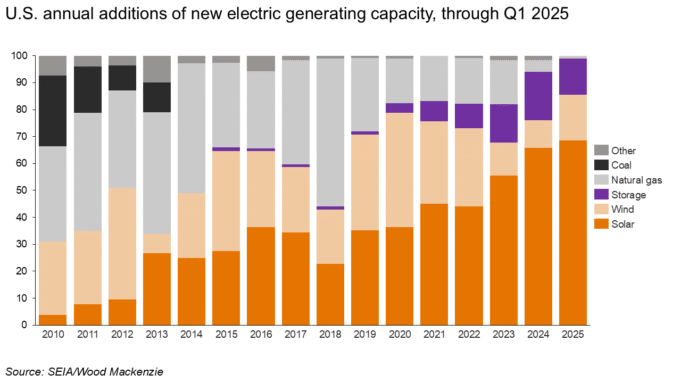
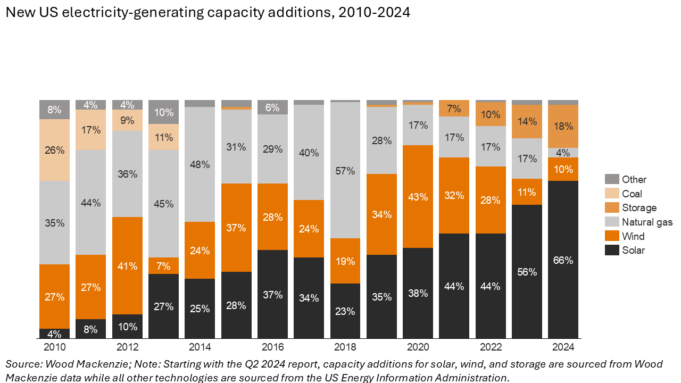
Soaring solar and storage deployment, escalating trade war, and more US energy and infrastructure news and analysis
 28 Feb 2025
February 2025 Newsletter
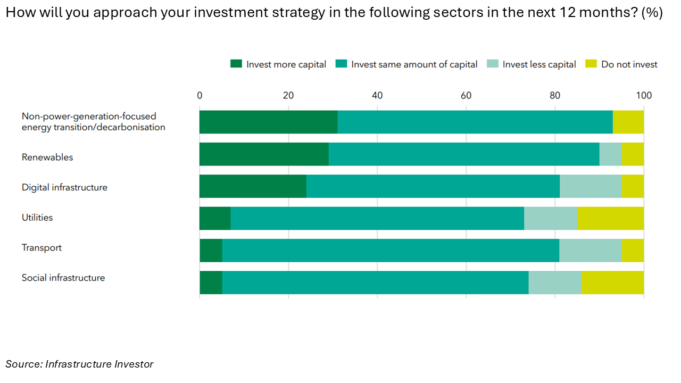
Infra investor sentiment toward the energy transition, trade tensions and tariffs, and more US energy transition news and analysis
 31 Jan 2025
January 2025 Newsletter
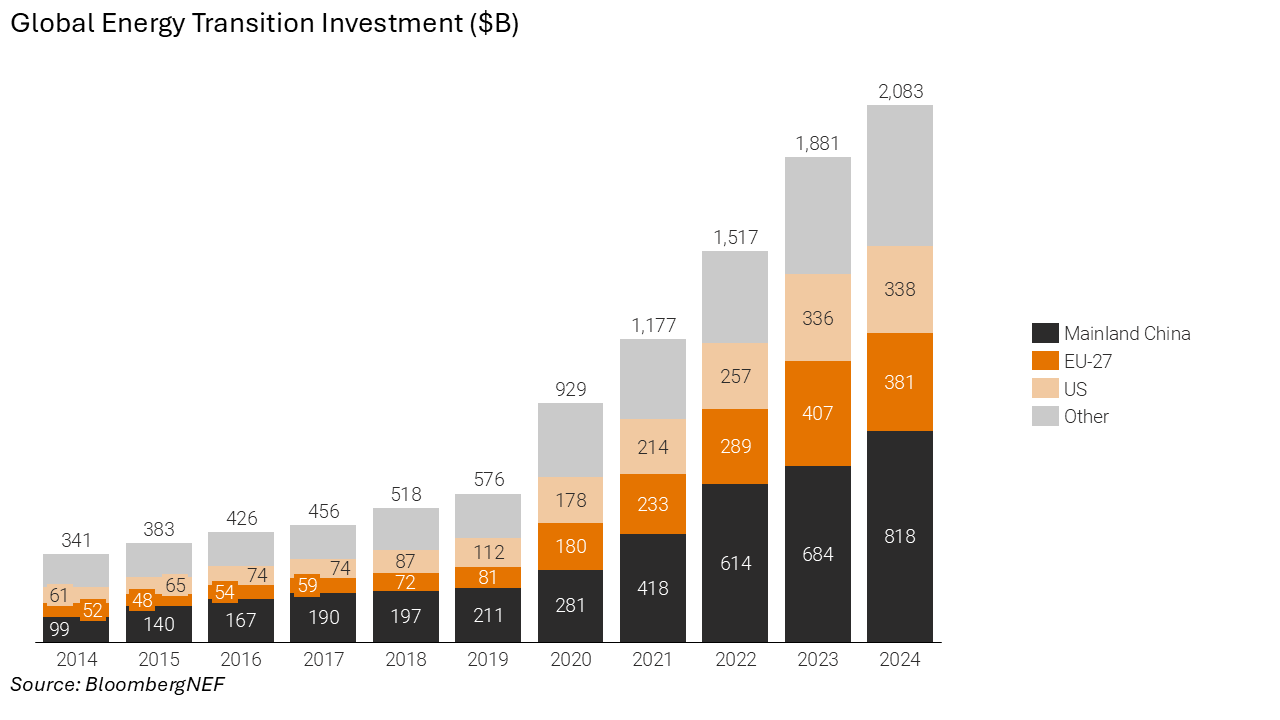
A new investment record, a flurry of executive orders, and more US energy transition news and analysis
 23 Jan 2025
Special Edition
Scott Jacobs shares his perspective on the energy transition and the collective action needed from its leaders
 29 Dec 2024
December 2024 Newsletter
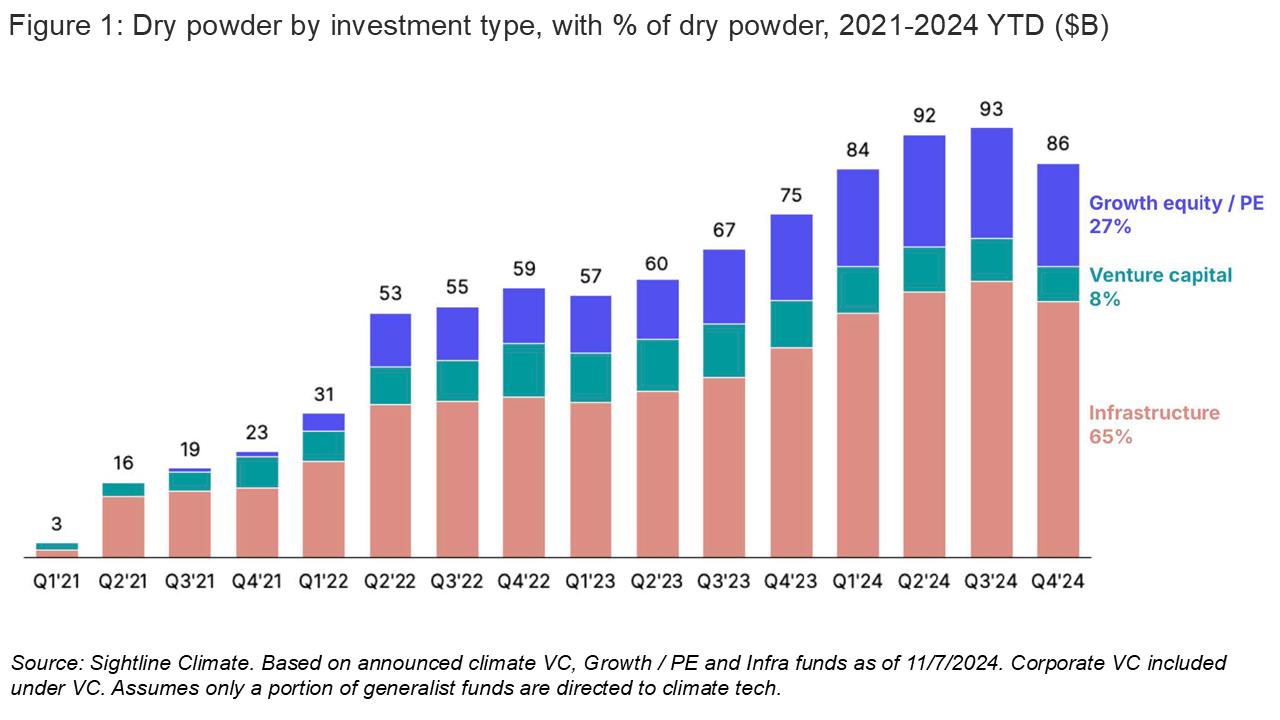
A growing infrastructure market, new DOE funding announcements, and more US energy transition news and analysis
 29 Nov 2024
November 2024 Newsletter
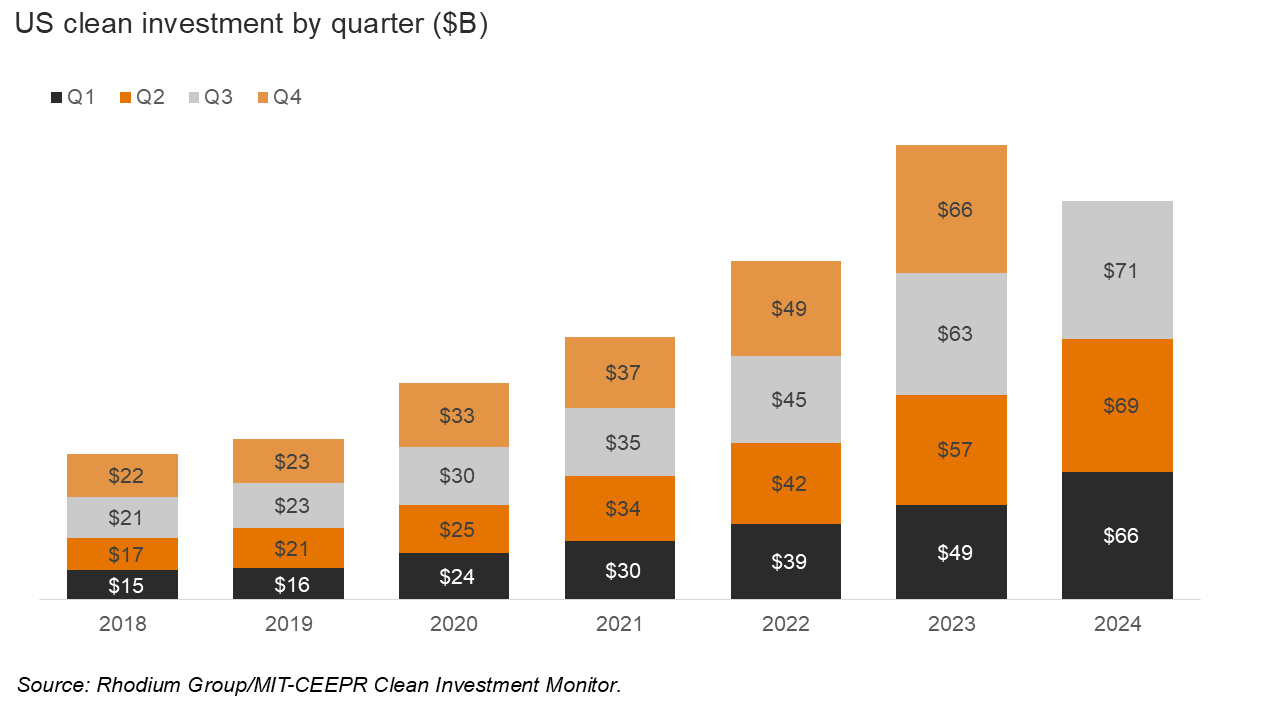
Quarterly investment trends, Mexico’s role in the US-China EV tariffs battle, and more US energy transition news and analysis
 31 Oct 2024
October 2024 Newsletter
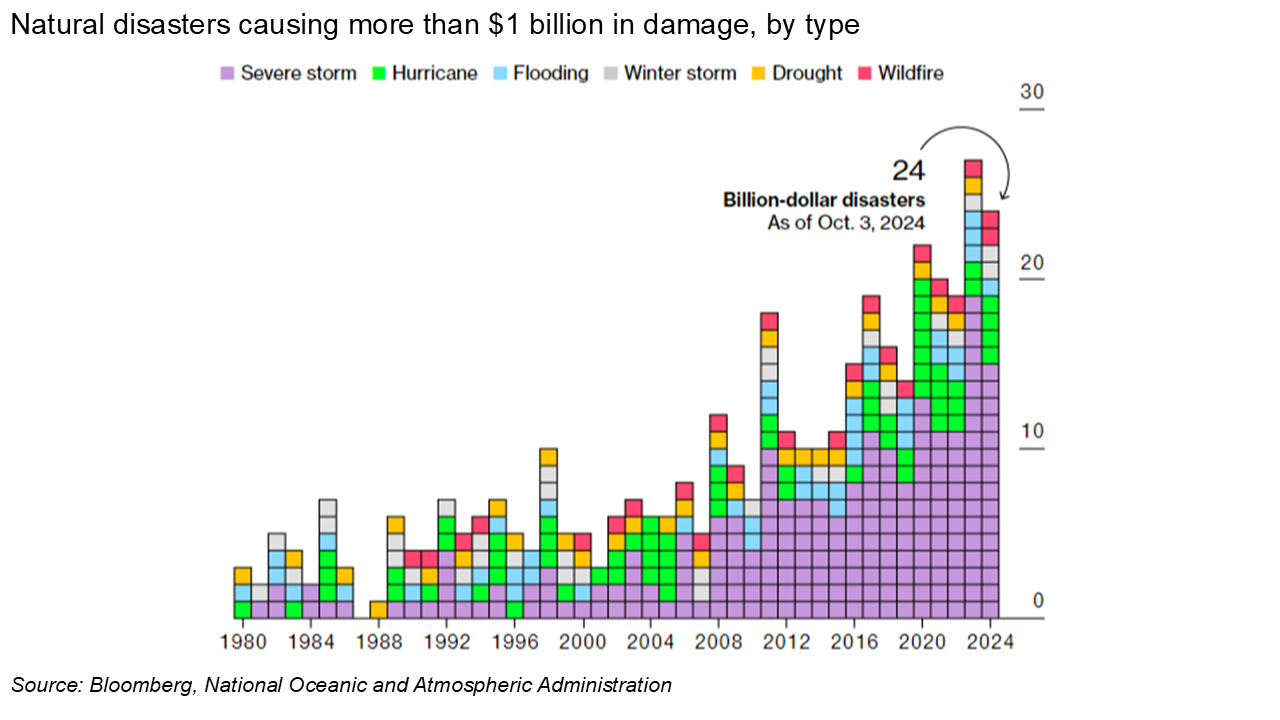
The costliest-ever US storms, Big Tech nuclear announcements, and more US energy transition news and analysis
 22 Sep 2024
September 2024 Newsletter
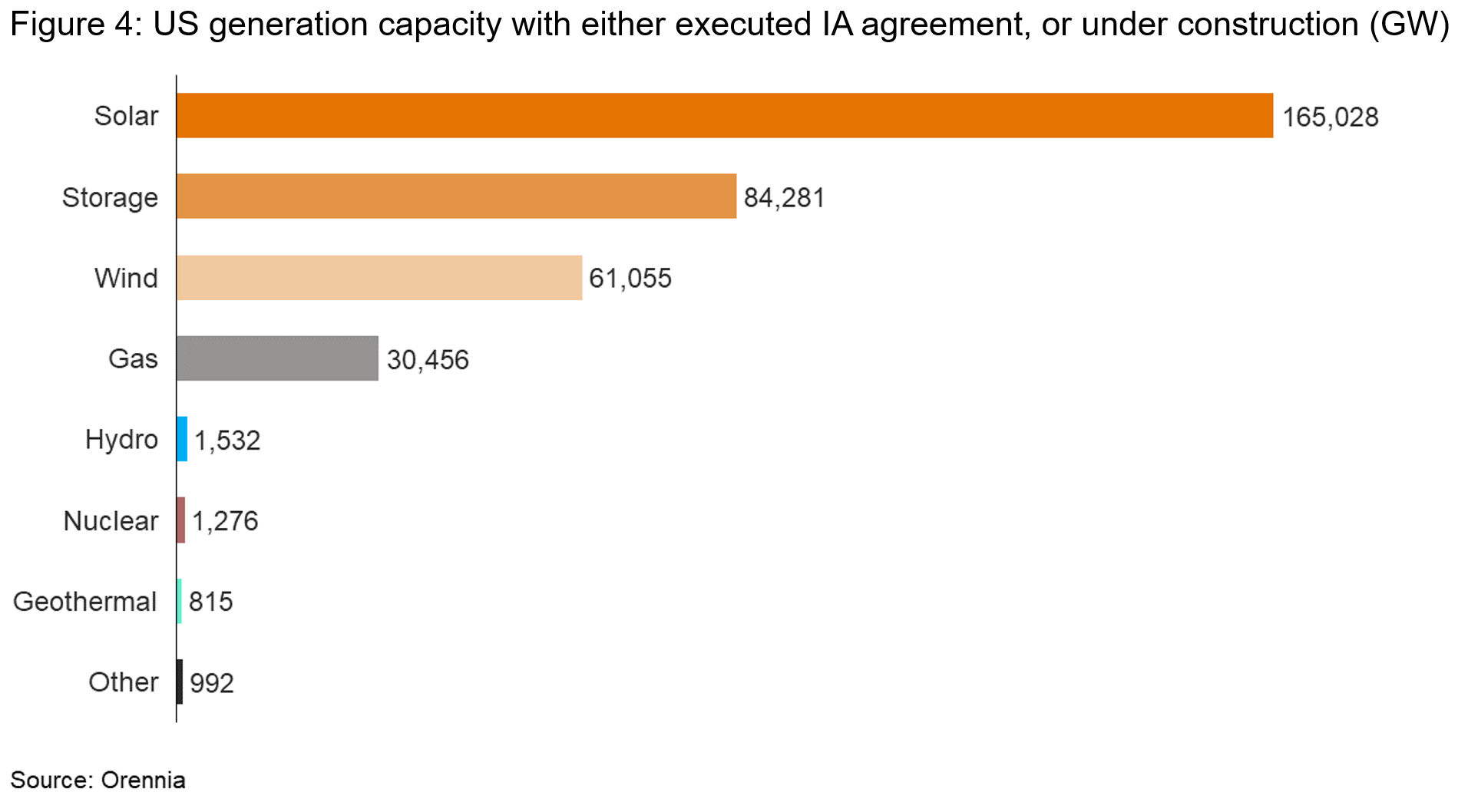
Falling interest rates, a moment for large-scale natural gas, and more US energy transition news and analysis